
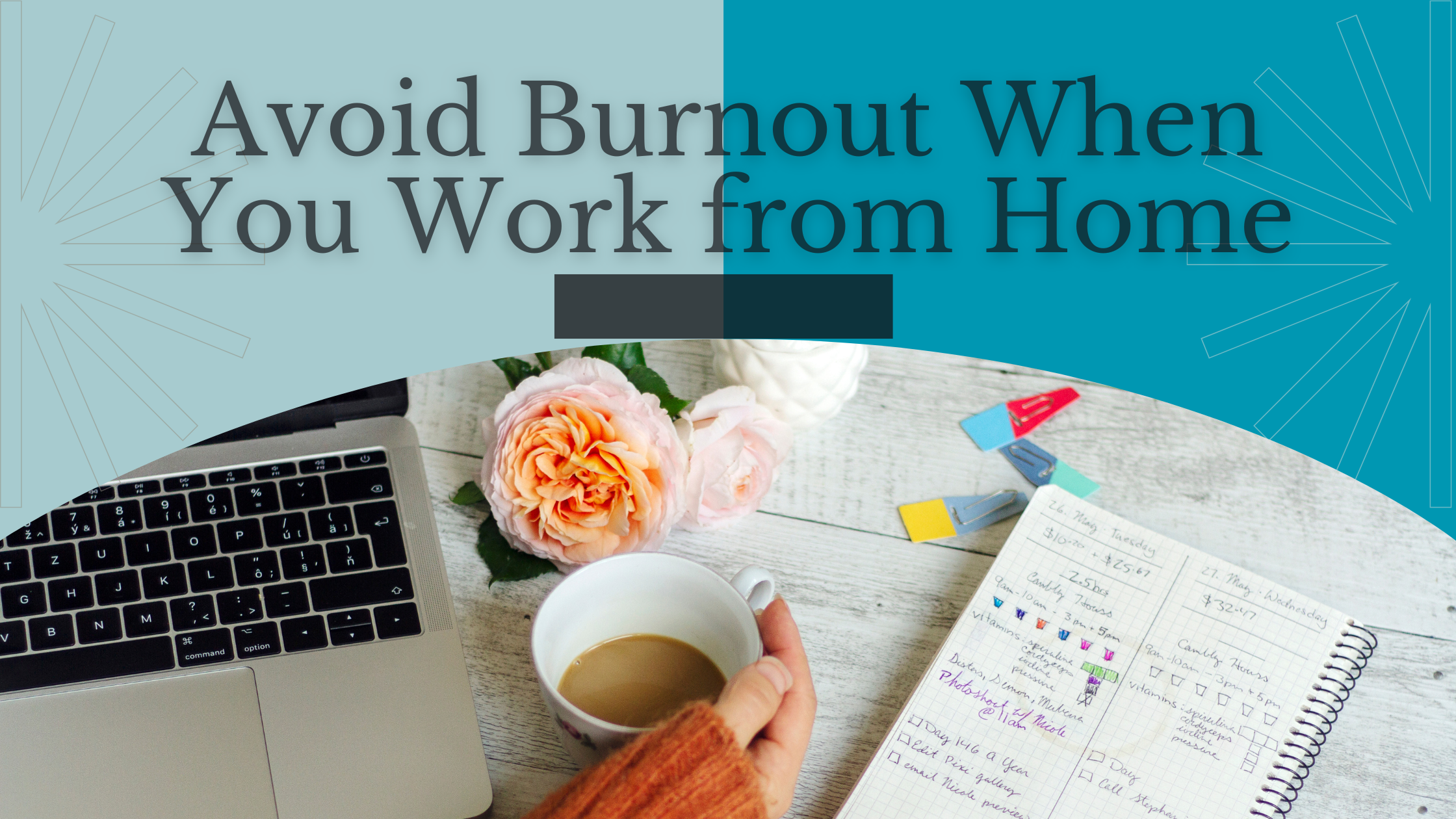
Working from home offers comfort and freedom, but it can also blur the line between work and personal life. Many remote workers experience burnout because they struggle to separate their job from their home environment. To stay productive and healthy, you must create balance and structure in your daily routine.
Set Clear Work Boundaries
The first step to avoid burnout is to define your workspace. Choose a quiet, comfortable area where you can focus without distractions. When you enter this space, your mind knows it’s time to work. When you leave it, you can mentally switch off. Avoid working from your bed or couch, as this makes it harder to disconnect. Keeping your workspace separate helps you maintain a clear boundary between work and relaxation.
Stick to a Consistent Schedule
Having a routine prevents overworking and helps your body adapt to a natural rhythm. Start and end work at the same time each day. Take regular breaks, stretch, and step outside for fresh air. This structure gives your day order and ensures you don’t work late into the night. Consistency boosts productivity and supports mental well-being.
Use AI Tools to Simplify Your Workflow
Artificial Intelligence can be your best assistant when working from home. Tools like ChatGPT, Grammarly, and Notion AI can help manage emails, correct writing, or plan your schedule. Using automation saves time and reduces stress. Instead of doing repetitive tasks, you can focus on creative or meaningful work. AI-driven organization tools also help you plan smarter and avoid last-minute chaos.
Prioritize Self-Care and Movement
Your body needs movement, especially when working long hours at a desk. Schedule short exercise sessions, even if it’s a 10-minute walk. Regular movement improves blood circulation and reduces fatigue. Drinking enough water, eating healthy meals, and sleeping well are equally important. Self-care is not selfish—it’s essential for long-term productivity.
Stay Connected with Others
Remote work can feel isolating. Make time to communicate with colleagues, friends, or family. Virtual meetings or quick chats can lift your mood and prevent loneliness. Human connection keeps you grounded and motivated. When you share your thoughts and experiences, it reduces stress and helps you regain energy.
Learn to Unplug After Work
When your workday ends, shut down your computer and silence work notifications. Create a post-work ritual, like listening to music or going for a walk. Disconnecting allows your brain to recharge. If you keep thinking about work, burnout will creep in quickly. Protect your evenings for rest, hobbies, or quality time with loved ones.
Focus on What You Can Control
Perfectionism and over commitment can drain your energy. Learn to prioritize important tasks and let go of minor details. Using AI planning tools or digital calendars can help you stay focused. You don’t need to do everything at once. A balanced workload leads to better results and less stress.
Avoiding burnout when working from home requires discipline, awareness, and self-care. Set limits, take breaks, and use technology wisely. When you manage your time effectively and nurture your well-being, remote work becomes enjoyable and sustainable. With clear structure and the right mindset, you can thrive without burning out.